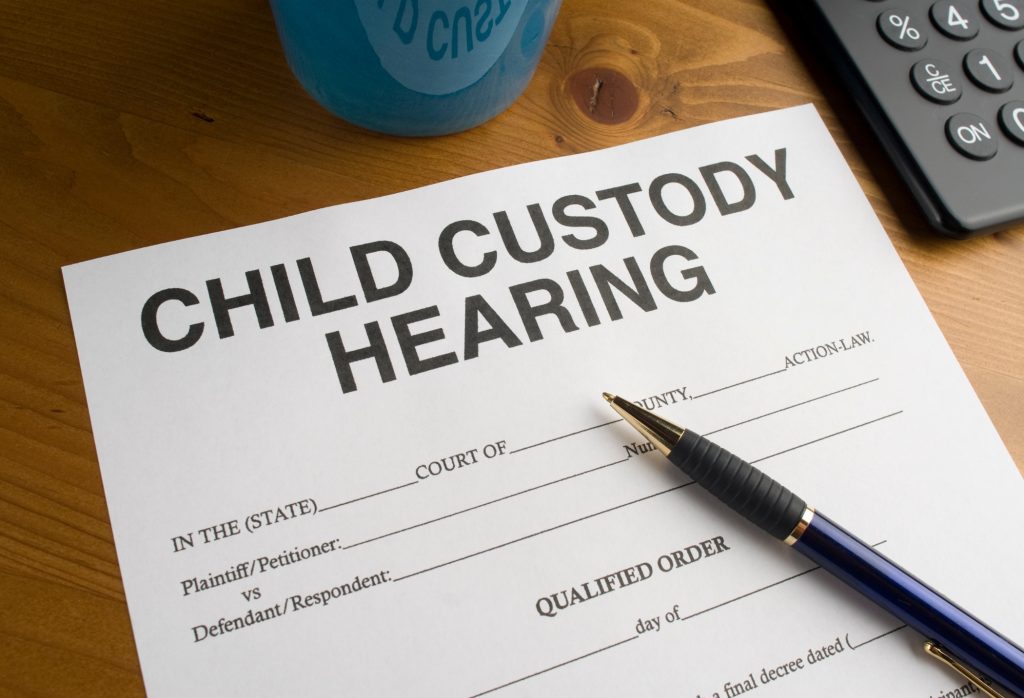
Custody battles often involve a series of hearings where parties negotiate, and the court decides on an acceptable custody arrangement. Most of our clients have never been through a custody battle before, so they are unsure of what happens at court hearings for custody in Michigan.
What Can I Expect in a Custody Hearing Procedure?
The exact process depends on the specific type of hearing. Michigan has several types of custody hearings that serve different purposes. A child custody attorney can answer any further questions you have about the custody process.
Motion Hearing
A motion hearing occurs when a parent makes a formal request to the court, and the court approves or denies it. One can file motion hearings for custody investigations and modifications of existing orders. At the hearing, the petitioner will explain their reason for submitting a request, and the other parent can present their evidence.
Settlement Hearing
The purpose of a settlement hearing is for a judge to review and approve a settlement agreement. The judge will review the agreement and then ask parents specific questions about the arrangement and the facts of the case before deciding whether to approve it.
Objection Hearing
In certain cases, custody investigators and case managers might file a temporary order for custody. During an objection hearing, one or both parents can present arguments objecting to the order and why their arrangement is a better option.
Final Custody Hearing
A final custody hearing occurs when neither party can agree to an arrangement. During a final custody hearing, both parties will present evidence and arguments to the judge on why their preferred arrangement should be granted. Judges might also question children without the presence of parents to reach a decision.
Family Law Representation for Michigan Residents
Contact Smith Law Offices online or call (734) 729-4465 today to schedule a free consultation with one of our family law attorneys.